Epoxy Garage Floor Care in Riverside: How to Clean It Right
2026-10-26
A Riverside epoxy garage floor stays in good shape with a weekly dry sweep, a monthly wet clean using a pH neutral cleaner, and quick attention to spills, hot tire marks, and moisture. Epoxy is tough, but it is not maintenance free, and the local mix of heat, hard water, and fine dust decides which habits matter most.
Start With Dry Cleaning, Not Water
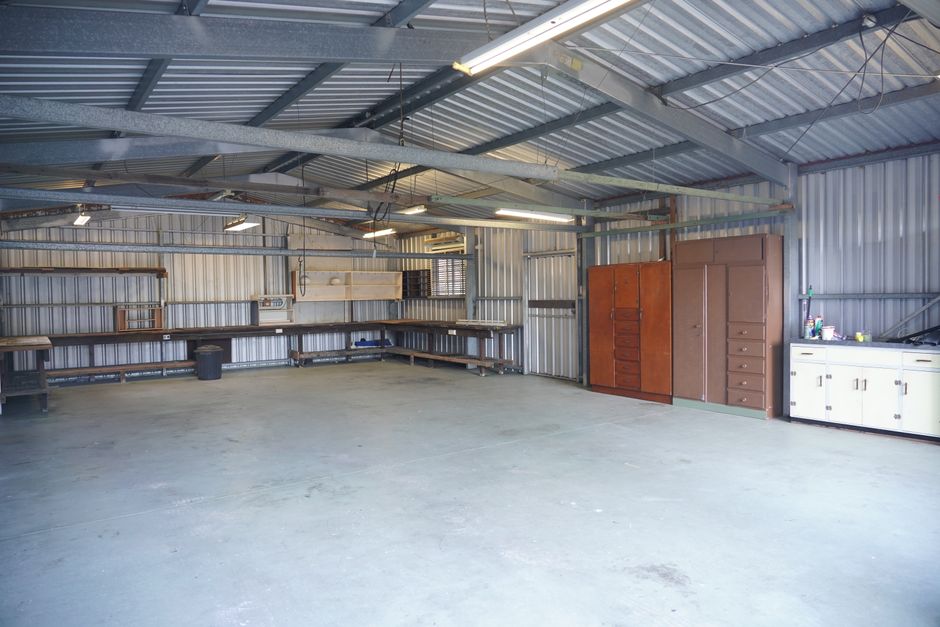
Dry cleaning prevents more wear than any wet method. Fine grit carried in under tires and shoes works like sandpaper on the topcoat, and it slowly dulls the gloss in the tire paths and near the door.
Use a soft microfiber dust mop or a soft bristle push broom at least once a week. A leaf blower can move loose dust out the door too, as long as you follow it with a sweep for what settles back down.
Sweep Extra After Santa Ana Winds
Santa Ana winds push fine dust under the garage door seal and along the edges. Sweep after a wind event instead of waiting for your usual day. Once a year, check the bottom seal of the door. A cracked or flattened seal lets in far more dust than a healthy one, and that dust ends up on your floor.
Rinse Winter Mud While It Is Soft
Rain is infrequent in Riverside, but wet season storms still bring mud in on tires. Dried mud turns into the same abrasive grit you sweep up in summer. Mop or rinse it while it is still soft.
How to Wet Clean the Floor
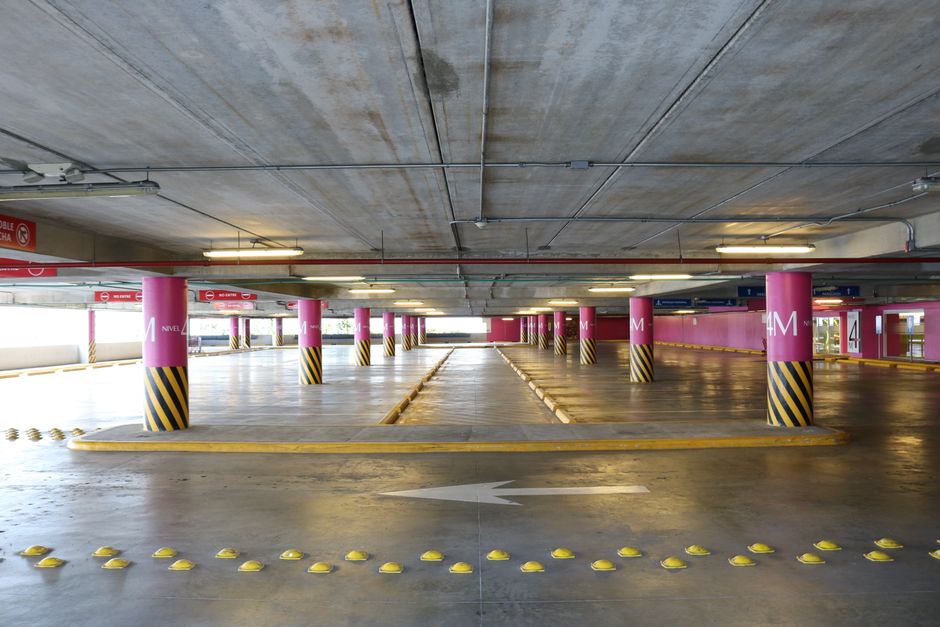
Wet cleaning once a month is enough for most homes. Do it sooner after a spill or a muddy week.
- Sweep or dust mop first so you are not grinding grit into the surface.
- Mix a pH neutral cleaner with warm water, following the label.
- Apply it with a foam or microfiber mop. String mops tend to leave a streaky film.
- Let the solution sit a few minutes on any dull or dirty areas.
- Rinse with clean water and squeegee dry.
Use Two Buckets
Keep one bucket for cleaning solution and a second for rinse water. Rinse the mop in the second bucket before dipping it back into the solution. Otherwise you are spreading dirty water back over the floor.
Squeegee Instead of Letting It Air Dry
Hard water is common across the Inland Empire. When rinse water evaporates on the floor, it can leave white mineral spots, which show most on dark or solid colors. A rubber floor squeegee pushes the water out the door and prevents the spotting.
Products and Tools to Avoid
Some popular household cleaners cause trouble over time.
- Vinegar and citrus cleaners. Acids can dull or etch some coatings with repeated use. Vinegar is not a safe natural option for epoxy.
- Dish soap and soapy products. They leave a residue film that looks hazy and gets slippery when wet.
- Wax or polish. Wax does not keep the floor shinier. It adds slip and builds up.
- Steel wool, wire brushes, and aggressive green scouring pads. They leave permanent swirl scratches in the gloss.
For stubborn spots on a textured or flake floor, a soft or medium nylon brush is the right tool.
Pressure Washing: Gentle or Not at All
A pressure washer is not the best way to deep clean epoxy. If you use one, choose a low setting and a wide fan tip, and hold the wand well back from the surface. Never aim a tight stream at chips, cracks, or the coating edge at the door threshold. Water driven under the coating can lift it.
Deal With Spills Quickly
Motor oil is mostly a slip hazard, but other fluids are harder on the coating. Brake fluid, some solvents, and gasoline left sitting can soften or stain certain coatings. Antifreeze is very slippery and tastes sweet to pets, so wipe it up right away.
Blot the spill with absorbent pads first, then clean the spot with a neutral or degreasing cleaner. Rubbing a fresh spill outward only spreads it.
Pool and Yard Chemicals
Many Riverside garages store pool supplies. Muriatic acid, chlorine tablets, fertilizers, and battery acid can etch or discolor a coating. Keep them on plastic trays, and rinse any drip right away with plenty of water.
Rust Rings
Metal cans, tool chests, and wet tools left in one place can leave rust stains that are hard to lift. Set them on plastic or rubber pads.
Riverside Heat and Sun
Hot Tire Marks
Summer here is very hot, and tires are hotter after freeway driving. Hot tires can lift a thin or poorly bonded coating. Over time, chemicals migrating out of tire rubber can leave brown marks, most visible on light colors. Clean marks early with a degreaser.
Hot tire pickup can happen even on a professionally installed floor. If marks keep returning or the coating starts lifting, the issue is the coating or topcoat, not your cleaning routine.
UV Yellowing
Most epoxy ambers or yellows in sunlight. Strong inland sun through an open door hits the front of the slab hard, especially in west facing garages. No cleaner or scrub brush removes yellowing. Keep the door closed when you are not using the garage. When it is time to recoat, ask about a UV stable topcoat such as a polyaspartic or aliphatic urethane.
Protect the Surface From Damage
Cleaning is only part of care. Most visible damage comes from how the garage is used.
- Point loads. Motorcycle kickstands, jack stands, and floor jacks can dent or crack the coating, particularly in heat. Put a kickstand puck or a piece of plywood underneath. Use rolling casters instead of dragging heavy toolboxes or appliances.
- Mats. Some rubber backed mats trap moisture and can stain or discolor coatings. Choose mats sold as safe for coated floors, and lift them now and then to clean underneath.
- Heat and sparks. Welding spatter, grinding sparks, cigarettes, and hot exhaust parts can scorch the surface. Lay down a welding blanket or a sheet of plywood before any hot work.
- Chips. A dropped tool can chip the coating, and then water and dirt work under the edges and widen the damage. To touch up a small chip, clean and degrease it, lightly scuff the area, and fill it with a compatible touch up kit.
Read the Warning Signs
Some problems look like dirt but are not cleaning issues at all.
White Powder or Edge Blisters
White residue, blisters, or peeling near the walls or slab edges usually mean moisture is moving up through the concrete. Look for sprinklers soaking the outside of the garage wall or water pooling against the foundation, and redirect them.
Cracks
Parts of the region have expansive clay soils, and the area sees seismic movement. A crack that appears in the coating has usually moved in the concrete underneath, so no cleaning will fix it. Have the slab looked at before patching the coating. A properly coated floor can still crack when the slab moves.
Slippery When Wet
A glossy coating gets slick when wet or oily. If slipping is a recurring problem, the fix is anti slip aggregate added in a topcoat, not a cleaning product.
New Floors and Yearly Checkups
Respect Cure Times
A new floor needs time before foot traffic, more time before cars park on it, and more again before wet cleaning. Follow your installer's specific schedule. Parking too early is a leading cause of hot tire pickup on new floors.
Inspect Once a Year
Once a year, look at the tire paths for dull lanes, scratches through the topcoat, or lifting edges. A maintenance topcoat applied while the wear is still only on the surface takes far less effort than stripping and redoing the whole floor. Catching wear early is the simplest way to keep a Riverside garage floor looking good for years.